During my recent trip to Copenhagen, I discovered a concept that perfectly embodies well-being and conviviality: Hygge. This Danish term, which is difficult to translate directly into French, represents a philosophy of life based on comfort, simplicity and intimacy. Hygge is not just a trend in interior design, but a veritable art of living that emphasises daily happiness and shared moments. I'm going to share my experience with you and explain how to integrate Hygge into your life.
Hygge (pronounced "hoo-gah") is a central concept in Danish culture, often described as a feeling of comfort, warmth and conviviality. It's about creating a pleasant atmosphere and enjoying the little things in life with the people you love. It's not just about the environment, but also about the state of mind. Hygge can manifest itself in many ways: sharing a home-cooked meal with friends, snuggling up under a blanket with a good book, or simply lighting candles to create a soft, warm atmosphere. In essence, Hygge is the art of making ordinary moments extraordinary through conviviality and well-being.
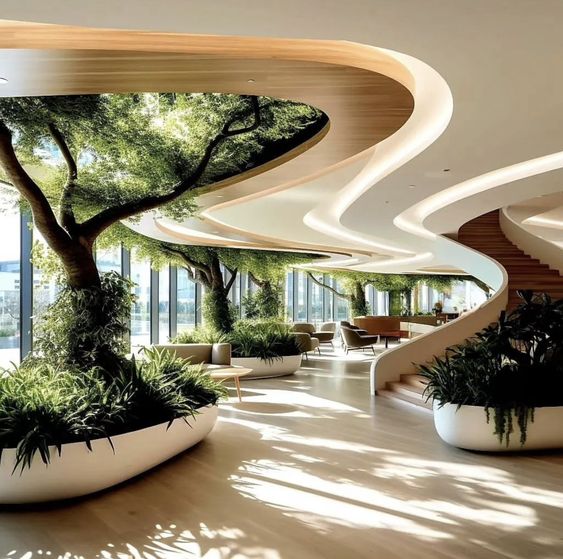
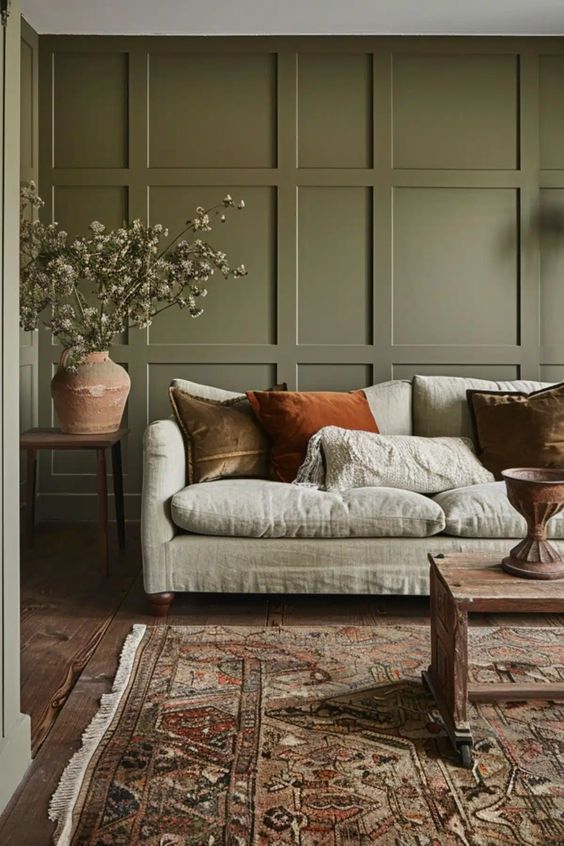
Lighting is crucial to creating a hyggelig atmosphere. The Danes use candles extensively to spread a soft, warm light. During my stay, I noticed that almost every house, café and restaurant in Copenhagen had candles lit, even in broad daylight. Lamps with warm light bulbs and fireplaces are also very popular. Hygge often translates into furniture and interior design that emphasise comfort and simplicity. Soft, natural fabrics such as wool, cotton and linen are omnipresent. Plaids, soft cushions and cosy rugs are used to create welcoming spaces where you can relax and feel at home. Another feature of Hygge is the integration of nature into the indoor environment. Indoor plants, natural materials such as wood and stone, and neutral colours inspired by nature all contribute to a soothing, authentic atmosphere. Handcrafted objects and personal souvenirs add a unique and warm touch.
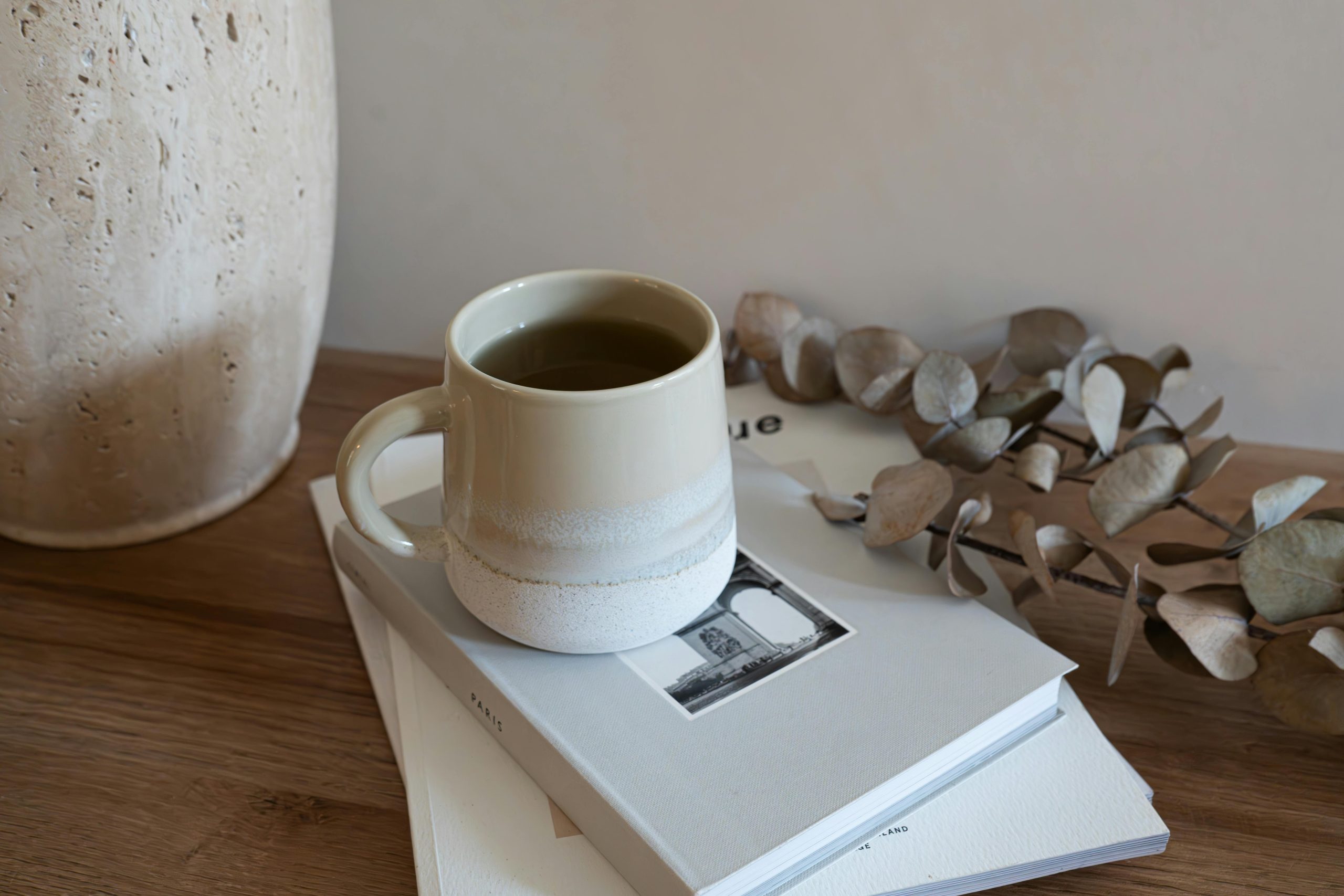
One of the most important aspects of Hygge is spending quality time with loved ones. During my trip, I noticed that the Danes attach great importance to shared meals, conversations over coffee and simple but enriching activities. Invite friends over for a home-cooked dinner, organise a games night or simply spend time together without digital distractions. Hygge also encourages taking time for yourself and self-care. This can include activities such as reading, meditation, knitting or any other activity that gives you pleasure and relaxation. Create a cosy corner of your home where you can retreat to recharge your batteries. Finally, Hygge is about enjoying the small pleasures of everyday life. This could be a cup of hot tea, a relaxing bath, or simply sitting back and watching the rain fall. By being present and enjoying these simple moments, you can integrate the spirit of Hygge into your daily life.
My trip to Copenhagen opened my eyes to the importance of creating an atmosphere of comfort and conviviality in our lives. Hygge, with its simplicity and authenticity, offers a refreshing approach to finding happiness in the little things. By adopting some of the principles of Hygge, we can all improve our well-being and experience more meaningful and enjoyable moments.