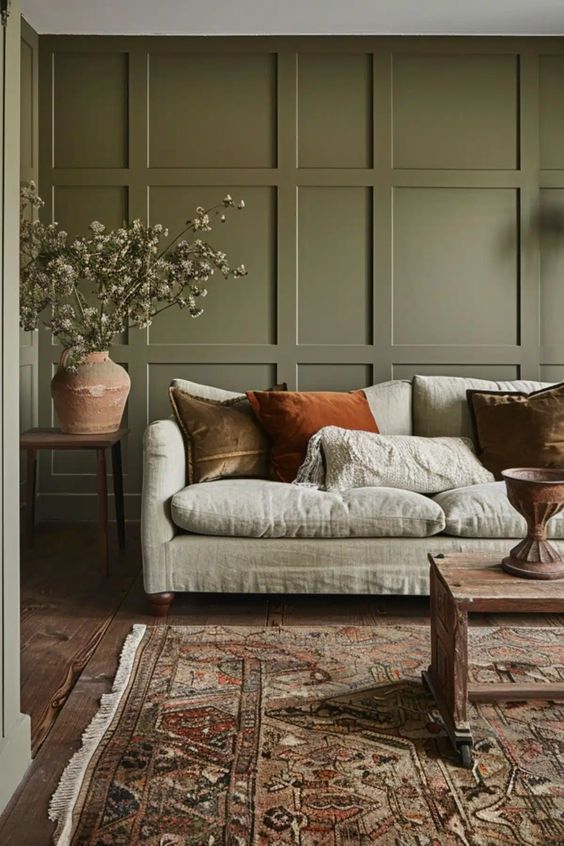
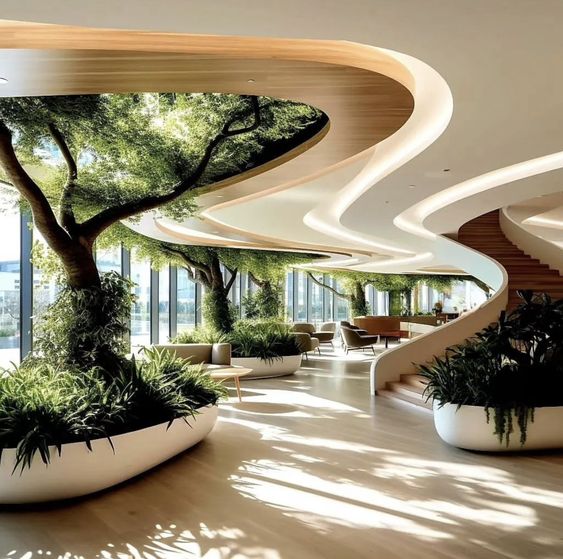
Biophilic architecture is an innovative approach that integrates nature and light into interior spaces to enhance our well-being and bring serenity and balance to our living environment. This concept, based on the idea of "biophilia" - man's innate attraction to nature - aims to reconnect living spaces with the natural environment to soothe the mind, reduce stress and enhance our creativity. It is based on a number of fundamental principles that can transform any space into a natural haven.
Raw, organic materials play a central role in biophilic architecture. Wood, stone, bamboo and even cork are commonly used for their aesthetic and sensory qualities. They provide warmth, texture and authenticity, while reminding us of our connection with nature. Solid wood, for example, catches the light and evolves over time, creating a living, changing environment that is as close as possible to the natural elements. Similarly, natural stone adds a timeless, robust character to interiors.
Vegetation is also an integral part of this approach. Plants purify the air, add colour and dynamism, and introduce living energy into the space. Plant walls, hanging plants and indoor gardens are becoming increasingly common in biophilic architecture, making it possible to integrate nature into urban environments. As well as being aesthetically pleasing, these arrangements have beneficial effects on morale and help to reduce stress by recreating a natural micro-ecosystem inside the home.
Natural light is another essential pillar of biophilic architecture. Spaces well lit by daylight have a positive effect on our mood and health. Large windows, skylights and skylights flood rooms with sunlight, creating a pleasant atmosphere and helping to regulate our biological rhythms. In areas where natural light is limited, the use of mirrors or light reflectors can redirect light towards darker areas, adding a sense of depth and space.
Organic shapes and patterns inspired by nature, such as curves, plant motifs and irregular textures, are also key elements. These biomorphic shapes break with the straight, angular lines of modern buildings, encouraging visual fluidity and a sense of comfort. Finally, the addition of water features such as fountains or ponds accentuates the feeling of nature inside and helps to create a soothing atmosphere.
In short, biophilic architecture reinvents interior spaces by enriching them with nature and light. It responds to our need to rediscover a tangible link with nature in our modern and often artificial environments. Natural materials, vegetation, light and water bring a new balance and vitality to our living spaces, turning interiors into places where we can recharge our batteries in harmony with nature.