
Playing with levels is an increasingly popular interior design technique for structuring space in an original and functional way. Whether in a small flat or a spacious house, creating distinct levels adds visual depth and allows spaces to be divided intelligently without the need for partitions. Here's how to use levels to transform your interior into a dynamic, attractive and ergonomic space.
Using levels means introducing different heights into the same room, creating specific zones for each function: kitchen, living room, workspace or relaxation area. For example, a mezzanine in a studio apartment can visually separate the sleeping area from the living room while optimising ceiling height. This is a particularly effective solution in urban flats where space is limited. By using raised platforms or steps, a flat space can be transformed into a multi-level space, adding complexity and character without having to subdivide the rooms.
Platforms and half-levels are key elements of this approach. A raised platform, for example, can accommodate a reading or work area, while the lower zone can be reserved for another function, such as a lounge or dining area. By using this type of layout, each space retains its identity without the need for physical separation. What's more, the platforms can conceal storage under the raised floor, adding a practical function to the aesthetic aspect. In small interiors, this technique allows you to make the most of every square centimetre while giving a feeling of grandeur.
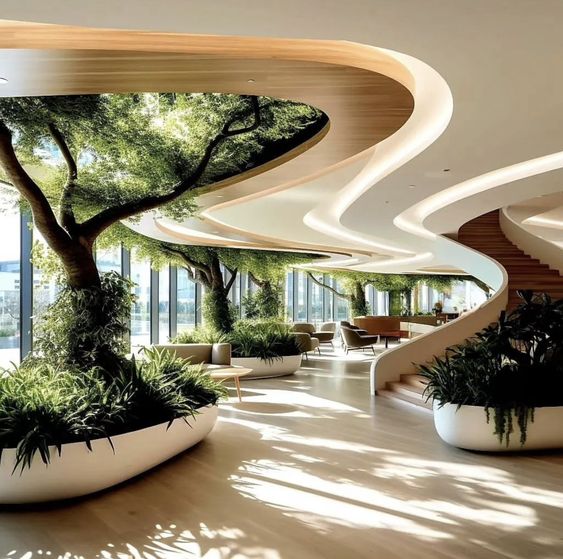
Staircases also play a central role in structuring levels. Beyond their practical function, they can be conceived as design elements, reinforcing the connection between different levels while visually structuring the space. Suspended staircases, floating steps or spiral staircases add a bold, modern architectural touch, while saving floor space. Staircases also offer clever storage options: drawers, shelves or even a built-in desk can be built into the treads, transforming a structural element into a storage space.
Half-levels are another interesting option for structuring open spaces. In a loft or a house with open architecture, they allow spaces to be visually differentiated without compromising the overall impression. A half-level can accommodate a relaxation area, a library corner or even a children's playroom. This configuration provides better sound insulation and an unobstructed view of the whole space, without compartmentalising it entirely.
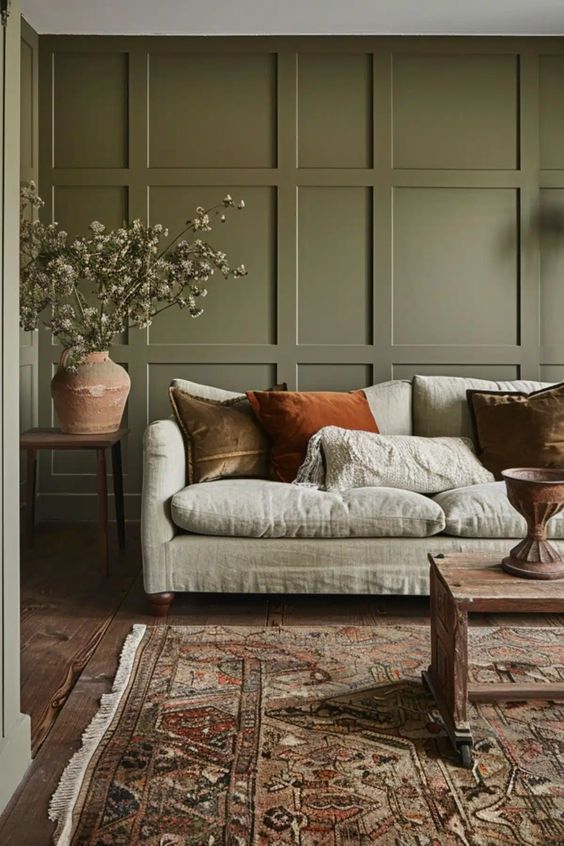
Creating levels in a room is not just a question of practical layout. It's also a way of adding visual depth and playing with perspective. For example, a living room set slightly lower than the dining room establishes a natural visual hierarchy, directing the eye and adding a touch of sophistication to the whole. In this case, materials and colours can be used to accentuate this level separation, for example with a wooden floor for the living room and different tiles for the adjacent area.
The levels are also an opportunity to introduce new architectural elements and varied textures. A natural stone wall on a raised area or a ceiling with exposed beams above a mezzanine create an interesting contrast. These elements reinforce the character of each level and add warmth to the space. Levels can also be used to vary the sources of light. An elevated area can benefit from a window above, while a space below can be lit more subtly to create a cosy atmosphere.
Finally, structuring by levels is particularly suited to a biophilic design approach. By playing with heights, certain areas can be oriented towards windows or openings to capture natural light and benefit from outside views, reinforcing the link with the environment. In a multi-level interior, green plants can be arranged at different levels to accentuate the verticality and give the impression of an indoor garden. Hanging plants, pots placed on platforms or green shelves along a staircase add life and reinforce the spatial dynamic.
In conclusion, using levels to structure an interior space not only makes the most of every square metre, but also creates defined, aesthetically pleasing zones without compromising the openness of the space. This approach can be adapted to a variety of styles and configurations, from small flats to houses with high ceilings. By playing with platforms, half-levels, staircases and materials, the result is a unique, functional interior in tune with modern needs for modularity and comfort.
Photo credit: Pinterest