The 'Mood Room' concept is booming in 2024. The idea is to create a space that evokes a particular state of mind, playing with colours, textures and decorative elements to influence our emotions. The idea is no longer to limit ourselves to purely aesthetic or functional decoration, but to design a room that responds to our specific emotional needs.
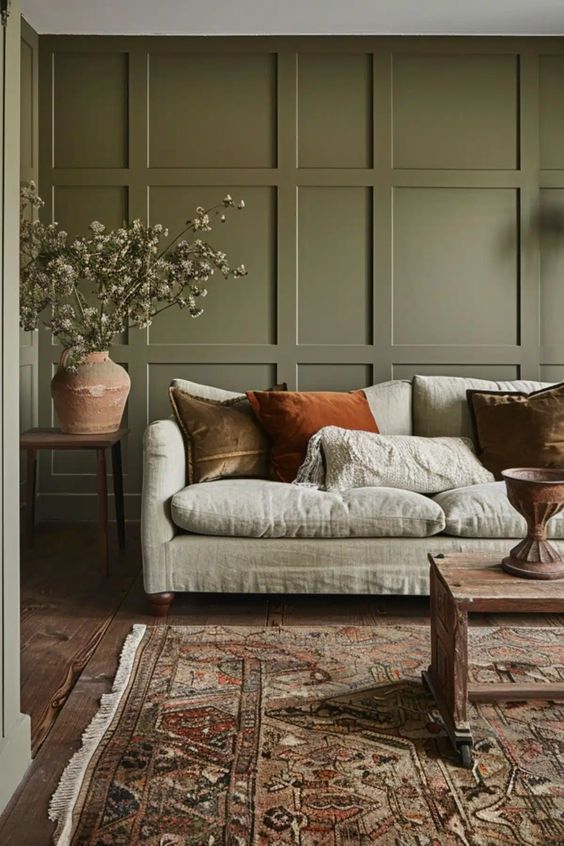
It all starts with defining the purpose of the room. Before transforming your space, it's essential to think about the atmosphere you want to create. Is it a soothing refuge where you can relax, or an energising space to stimulate your creativity? Once this objective has been defined, every decorating choice becomes simpler and more coherent. If the aim is to create a relaxing atmosphere, soft, natural tones such as sage green and beige can bring an immediate sense of calm. For a more dynamic space, a choice of bright colours such as yellow or orange can stimulate energy and concentration.
Colours play a fundamental role in creating an atmosphere. Soft tones such as blue or green are ideal for creating a soothing atmosphere, while brighter colours are perfect for spaces where you need to be dynamic, such as an office or a sports hall. So it's essential to think carefully about the impact of the colours you choose, depending on the mood you want to create.
Materials and textures are also essential for creating the right atmosphere in a room. For a calm, comforting atmosphere, natural materials such as wood, linen or wool bring a warmth and softness that are conducive to relaxation. On the other hand, for more dynamic spaces, more modern materials such as metal or glass create a more energetic and stimulating atmosphere. The choice of materials can also influence the sensory comfort of the room, which is an important factor not to be overlooked.
Lighting is another key aspect of creating a Mood Room. Light has a direct impact on our well-being and on the way we perceive a room. Modular lighting, with the ability to switch between soft and more intense light, is essential for adapting the mood to different times of the day. Soft, indirect lighting is perfect for creating a relaxing atmosphere, while more direct lighting is better suited to spaces where there is more activity.
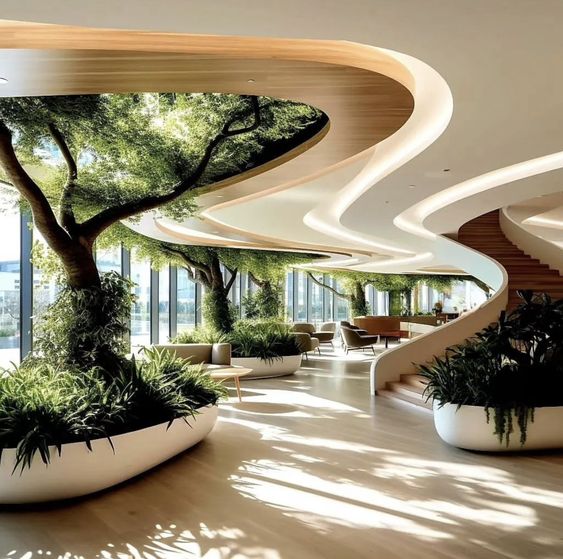
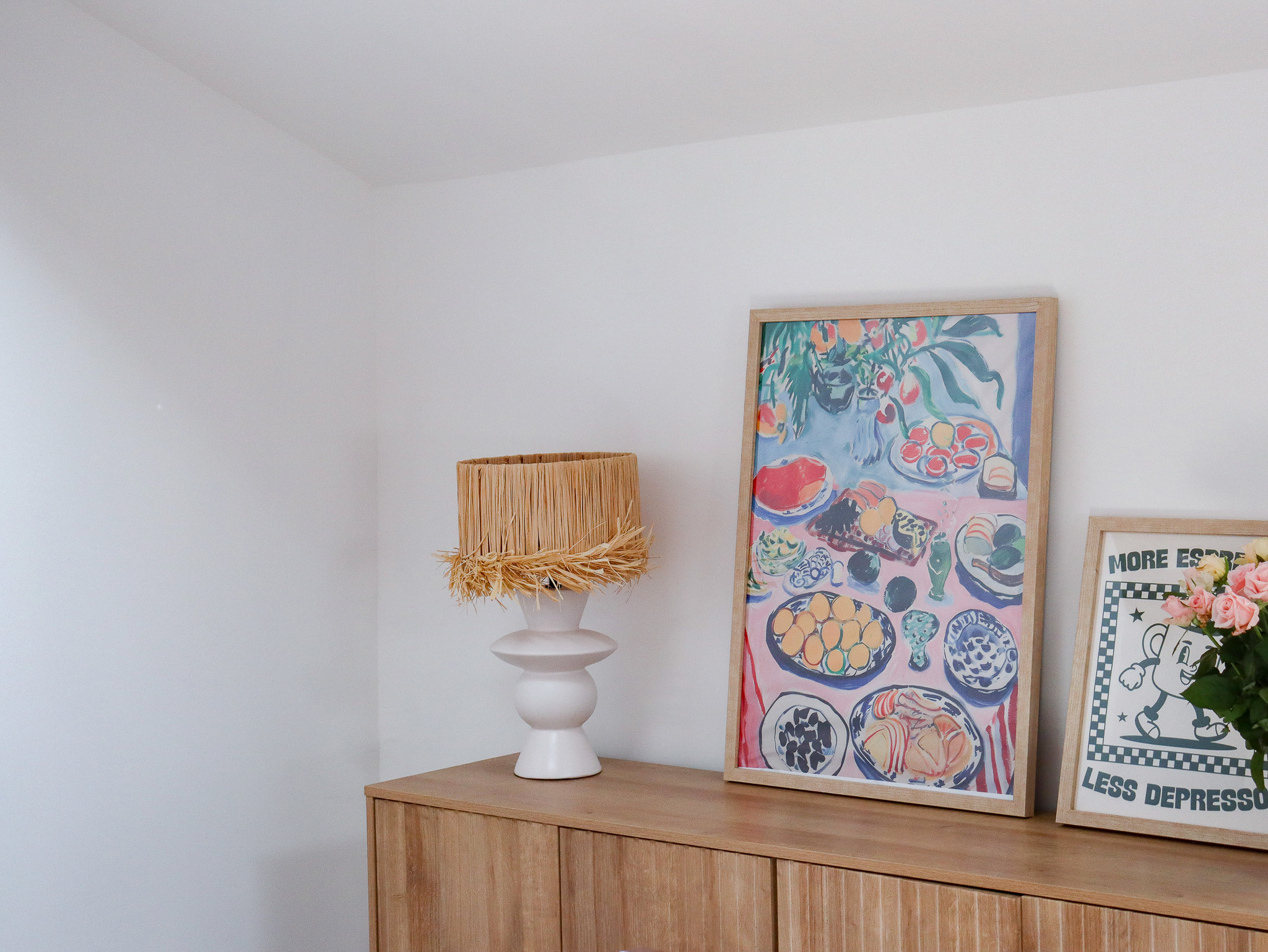
Finally, personalised decorative elements play a crucial role in creating the atmosphere of your room. Adding personal touches such as works of art, decorative objects or plants can create a unique space that reflects your image. Plants, in particular, add a soothing touch of nature while purifying the air. They bring balance to the decor, whether the mood is relaxing or stimulating.
As for the other senses, it's important not to neglect them. Essential oil diffusers or scented candles can help reinforce the atmosphere you want to create in the room. Lavender or eucalyptus aromas are perfect for a soothing ambience, while citrus or peppermint scents provide an invigorating energy. Similarly, incorporating natural sounds, such as waves or rain, can complete the sensory experience and make the space even more immersive.
In my opinion, creating a 'Mood Room' is much more than just a trend. It's a thoughtful and intelligent way of designing our living spaces, taking into account the impact our environment has on our emotions and well-being. I've personally noticed how adapting the atmosphere of a room to my specific needs, whether for relaxation or creativity, has changed the way I live in that space. This approach not only makes a room more beautiful, but also improves our quality of life on a daily basis.